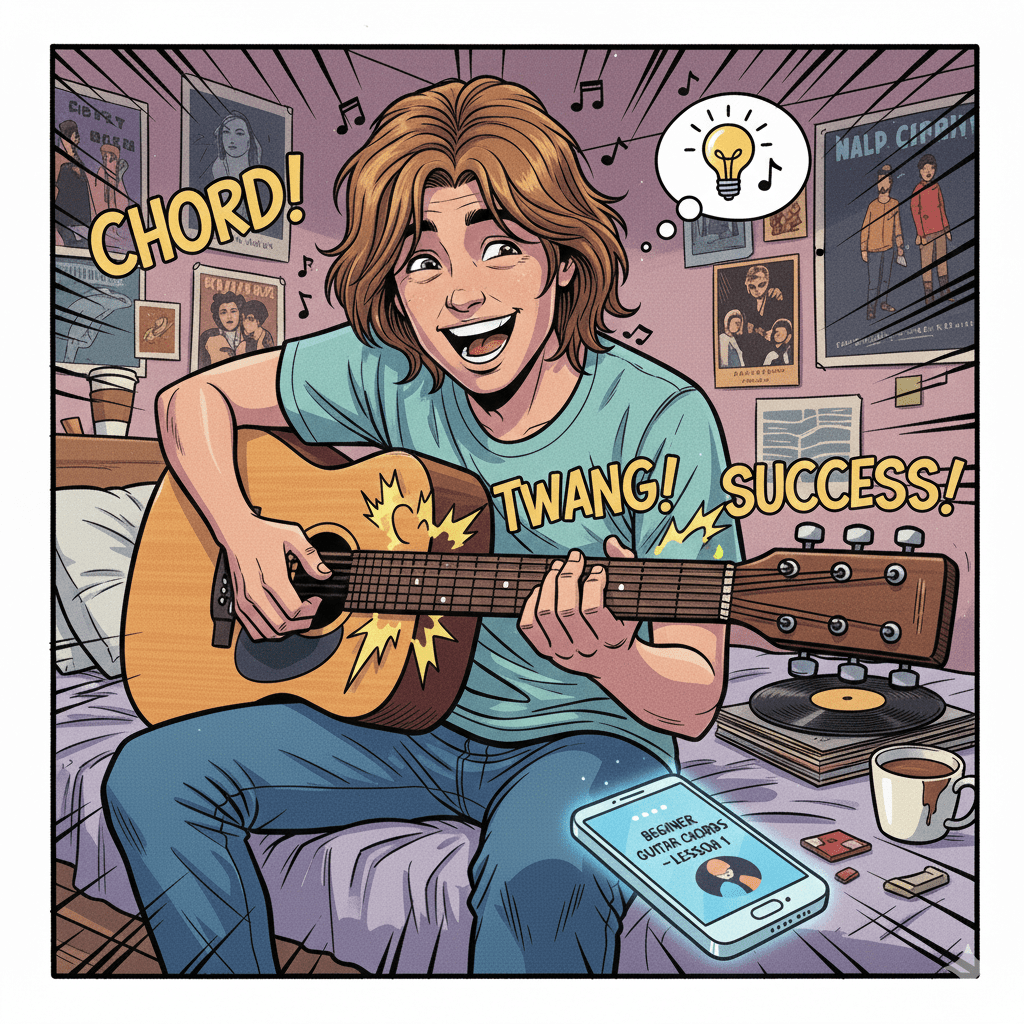
In a world filled with fleeting trends and short-lived hobbies, learning to play a musical instrument at an early age stands apart. It isn’t just a skill, it’s a lifelong gift. For many, the first notes played as a child become the foundation for a lifetime of passion, creativity, and emotional expression.
Music Becomes a Lifelong Companion
When children learn an instrument early, music grows with them. It’s there during moments of celebration, heartbreak, stress, and reflection. Long after toys are forgotten and games are replaced by responsibilities, music remains a trusted companion.
An instrument becomes something to return to whether after a long day, during moments of inspiration, or when words fall short. This relationship often lasts a lifetime.
Passion Is Discovered Early
Exposure to music at a young age allows children to discover what truly excites them. That first spark strumming a guitar, pressing piano keys, or keeping rhythm on drums can ignite a passion that shapes their identity.
Early musical experiences teach children that passion comes from practice, patience, and persistence. Those lessons extend far beyond music and influence how they approach goals throughout their lives.
Emotional Expression and Mental Well-Being
Music gives children a healthy outlet for emotions they may not yet know how to express. As they grow older, that outlet becomes even more valuable.
Playing an instrument can:
Reduce stress and anxiety Improve focus and emotional regulation Offer comfort during difficult times Boost confidence and self-esteem
Many adults who played music as children say their instrument helped them through life’s toughest moments.
Creativity That Never Fades
Learning an instrument early encourages creativity and imagination. It teaches children to think beyond rules while still respecting structure a balance that benefits problem-solving, communication, and artistic expression.
Even if a child doesn’t pursue music professionally, the creative mindset developed through early music education often carries into adulthood, enriching careers, relationships, and personal growth.
A Skill That Grows With You
Unlike many childhood activities, music evolves with age. What begins as simple practice becomes deeper expression, songwriting, collaboration, or personal reflection.
An instrument doesn’t lose its value over time it gains it. Each year of life adds more meaning to every note played.
Building Discipline Without Pressure
Music gently teaches discipline. Regular practice builds consistency, responsibility, and patience, but in a way that feels rewarding rather than forced.
Children learn that improvement comes from dedication and that progress, even when slow, is worth celebrating.
A Gift That Lasts a Lifetime
Introducing a child to music is more than enrolling them in lessons. It’s offering them a lifelong source of joy, comfort, and self-expression.
Years later, when life becomes busy and complicated, that early connection to music often remains waiting patiently to be picked up again.
Final Thoughts
Playing an instrument at an early age doesn’t just create musicians—it creates passionate, expressive, and resilient individuals. The joy discovered in those first lessons has the power to echo throughout a lifetime.
And sometimes, all it takes to reconnect with that joy… is picking up an instrument once again.
- Guitar
- Piano
- Drums
 Coffee & a Playlist
Leave a comment